
What Massage Actually Does: The Body Systems It Touches
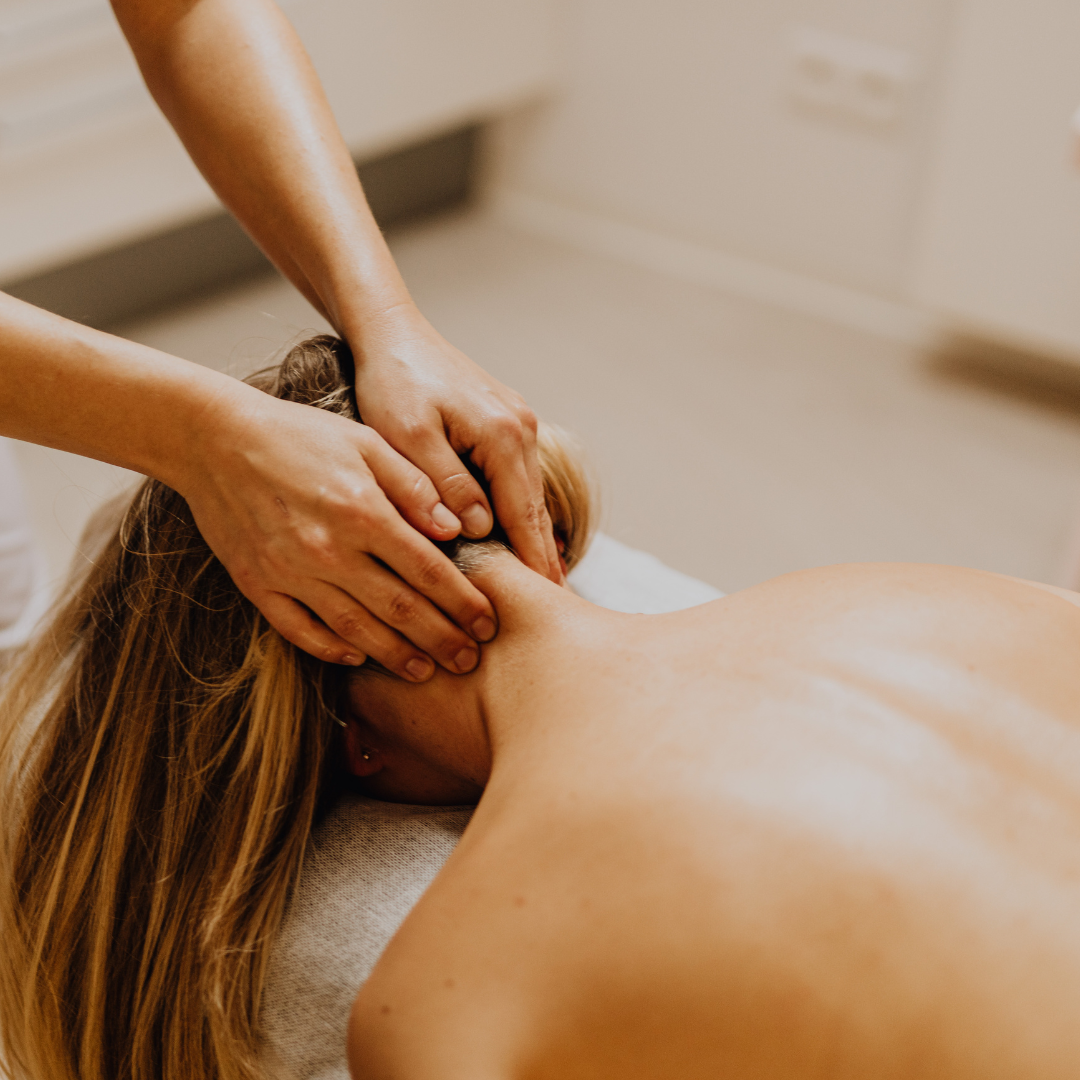
People have been using massage to ease pain and recover from hard work for thousands of years. Long before anyone could explain why it helped, they knew that it did.
Today we understand a lot more about what's going on under the therapist's hands. Massage isn't just something that feels good; it creates measurable responses in your muscles, nerves, circulation and hormones. In this article, we'll look at the anatomy and physiology behind massage, and how each part of the body responds to treatment.
Understanding the basics of massage therapy
At its simplest, massage is the hands-on manipulation of the body's soft tissues: muscles, tendons, ligaments and fascia. A therapist uses their hands, forearms, elbows and sometimes tools to apply pressure, stretch and movement.
The techniques vary depending on the goal. Remedial massage targets a specific problem, like a stiff neck or a sore lower back. Deep tissue work uses slower, firmer pressure to reach deeper layers of muscle. Sports massage supports training and recovery. A skilled therapist blends these to suit what your body needs on the day.
The role of touch in human health
Touch is one of the first senses we develop, and it stays central to our wellbeing throughout life. Your skin is packed with receptors that respond to pressure, stretch, warmth and movement, and they send a constant stream of information to your brain.
When that input is slow, steady and safe, the brain reads it as a signal to relax. Research links therapeutic touch with lower stress, reduced anxiety and better mood. Clients often describe feeling calmer and sleeping better after a session, and those effects can build with regular treatment.
The anatomy of massage: which systems it works on
Massage works most directly on the muscles, but the effects travel further. The skeletal and nervous systems are closely tied to how your muscles feel and move, so they respond too.
The muscular system: the main target
Your muscular system, along with its tendons and connective tissue, is what lets you move and hold yourself upright. When muscles are overworked, injured or held tense by stress, they become tight, sore and reluctant to move.
Techniques like kneading, compression, friction and stretching help those muscles relax and lengthen. Clients feel less tightness, more freedom of movement and less soreness after hard training.
What about "knots"? Those tender, tight spots are real, but they aren't lumps that get broken apart. Sustained pressure helps the muscle and the nerves around it settle, so the area becomes less sensitive and lets go.
The skeletal system: freeing up the joints
Massage doesn't change your bones, but bones can only move as freely as the muscles around them allow. When tight muscles crossing a joint relax, range of motion often improves.
That's useful for stiff hips, shoulders and upper backs, for lifters chasing better positions, and for people with joint pain such as osteoarthritis, where massage can ease stiffness and improve comfort. Lasting change in posture and joint health still comes from movement and strength work, and massage makes that work easier to do.
The nervous system: easing pain and stress
The nervous system is where much of massage's effect really happens. It has two broad modes: the sympathetic "fight or flight" state and the parasympathetic "rest and digest" state.
Slow, steady pressure helps shift the body toward rest and digest. Heart rate and breathing slow, muscles stop bracing, and a sense of calm sets in.
Massage also changes how you feel pain. Pressure and movement signals compete with pain signals on their way to the brain, turning down their volume. That's a big part of why a sore back or neck often feels noticeably better after treatment, and why the relief can last beyond the session.
The physiology of massage: how it works
We've covered which systems massage acts on. Now let's look at what actually happens inside the body during and after a session.
Blood circulation
Pressure on the tissues causes local blood vessels to widen, increasing blood flow to the area being worked on. You can see it as the skin turns slightly pink and warm.
Warm, well-supplied tissue feels more comfortable and moves more easily, which is why massage is useful before training or competition. After a session, many people also experience a small, temporary drop in heart rate and blood pressure as the body settles.
You may have heard that massage "flushes out lactic acid". In reality, your body clears lactate on its own within an hour or so of exercise, and it isn't what causes next-day soreness. Massage helps with soreness through its effects on the muscles and nervous system instead.
The lymphatic system
The lymphatic system collects excess fluid from the tissues and returns it to the bloodstream, and it's an important part of immune function. Unlike blood, lymph has no heart to pump it; it relies on muscle contractions, breathing and movement.
Light, rhythmic strokes can help move lymph along, which is why specialised lymphatic drainage is used to manage swelling after some surgeries. In a remedial session, the effect is more modest, but it can ease that heavy, puffy feeling in tired legs. (Your liver and kidneys handle "detox", so you don't need to feel unwell after a massage for it to have worked.)
The endocrine response
The endocrine system controls your hormones, and massage influences it mainly through the stress response. Studies have found lower levels of cortisol, the main stress hormone, after massage, along with increases in oxytocin, a hormone linked to calm and connection.
The size of these changes varies from study to study, but the experience is consistent: people leave feeling calmer, less wound up and more at ease in their bodies.
Effective massage is a science
Massage has a long history, but its benefits aren't just tradition. It eases muscle tension, frees up stiff joints, calms the nervous system, reduces pain, and lowers the body's stress response. Each system influences the others, which is why a good session can leave you feeling better all over, not just in the spot that was sore.
At Recovery Studio, every treatment is therapeutic, whether that's remedial massage for a nagging injury or deep tissue work for a hard-working body, and it's tailored to how you're feeling on the day. If something's been holding you back, book a session and let's work out what your body needs.
Massage complements, but doesn't replace, medical care. If you have a diagnosed condition, a recent injury or surgery, check with your GP or physio and let your therapist know before your session.
